Getting Relief from Constipation: A Nutritional Therapist's Guide

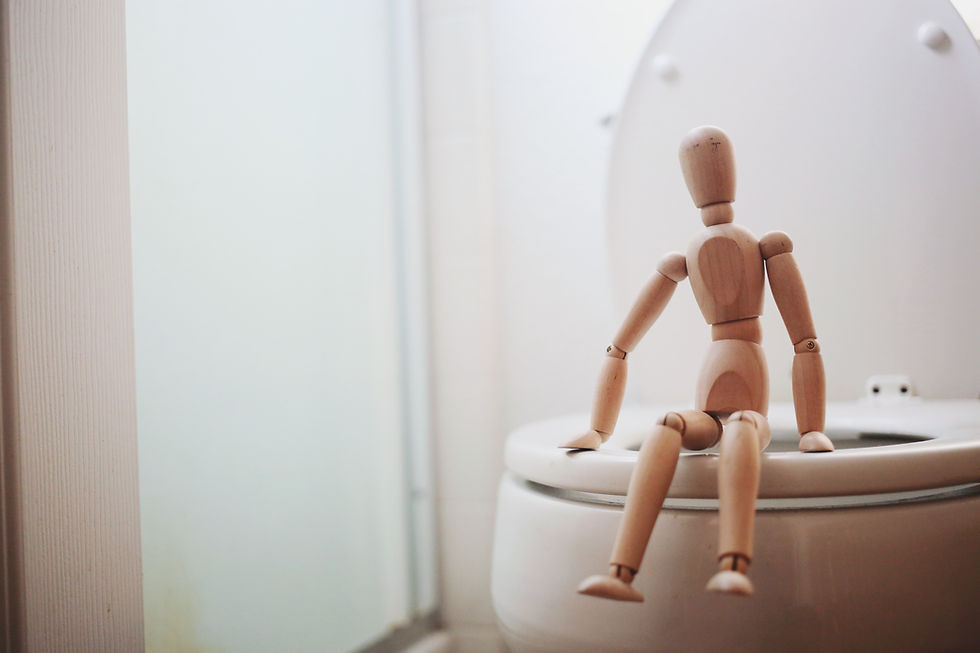
If you are struggling with constipation, you are not alone. It is estimated that 1 in every 7 adults and up to 1 in every 3 children experience chronic constipation, characterised by infrequent, difficult, and/or incomplete bowel movements. I often help clients deal with digestive issues, so want to provide an overview of constipation - what causes it, symptoms to look out for, and how you can find relief through diet and lifestyle modifications.
What is Constipation?
Constipation occurs when stool passes through the large intestine too slowly, becoming hard, dry, and difficult to eliminate. Typical symptoms include:
Fewer than 3 bowel movements per week
Hard, lumpy stools
Straining during bowel movements
Feeling of incomplete evacuation after a bowel movement
Abdominal pain and bloating
Constipation has many possible causes including:
Inadequate fiber intake
Dehydration
Lack of exercise
Various medications - painkillers, antidepressants, and some iron supplements
Stress and anxiety
Certain medical conditions
Resisting bowel urges - ignoring signals to have a bowel movement can weaken the urge over time, making constipation worse.
If left untreated, constipation can negatively impact your quality of life and even lead to potentially serious health complications due to toxin buildup. The good news is that for most people, adding more fibre and fluids to the diet along with other lifestyle adjustments can help get bowels moving regularly again.
Four Nutrition Strategies to Relieve Constipation
Increase Fiber Intake Fibre adds bulk to stool, helping move waste through the intestines. Aim for 25-35 grams of fibre daily from sources like vegetables, fruits, whole grains, beans, nuts and seeds. Increase fibre intake slowly while also increasing fluids to prevent gas or bloating.
Stay Hydrated with Fluids Proper hydration is key for softening stool and supporting regular bowel function. Drink at least 6-8 glasses of fluids per day. If you do not enjoy water then try adding some fruit or herbs like mint to your water to add some taste. Herbal tea, broths, and smoothies can also count towards your intake of liquids. Note that caffeine and alcohol are dehydrating for the body therefore limit the amount of coffee and alcohol. If you must drink more than one coffee or glass of wine make sure to follow each with an extra glass of filtered water.
Exercise & Movement Physical activity helps stimulate the intestines and supports regular bowel movements. Aim for at least 30 minutes per day focusing on walking, yoga, Pilates, or gentle stretches. Move your body after meals, this is beneficial for bowel movements but can also reduce glucose spikes. Try going for short, brisk walks.
Eat Prebiotic & Probiotic Foods Probiotics (from fermented foods) and prebiotics (in foods like onions, garlic, leeks and apples) help nourish beneficial gut bacteria linked to improved digestive health. Try kefir, full-fat yoghurt, kimchi, kombucha, bone broth, and sauerkraut.
Persistent constipation without improvement from dietary and lifestyle changes may indicate an underlying medical issue needing evaluation. Don’t hesitate to check with your GP or Healthcare Professional if significant constipation lasts more than 2-3 weeks.
Be Patient and Listen to Your Body
Implement changes gradually and allow your body time to adapt. Pay attention to signals to have a bowel movement and don’t ignore the urge to go. Establishing regular bathroom habits can get your GI system back on track.
With some targeted nutrition tweaks plus patience and consistency, you can get relief from constipation without reliance on laxatives. Focus on fibre, fluids, exercise, and probiotic foods to support colon health and regain normal bowel function. Your digestive system will thank you!
If you have any questions reach out to me via email: liana@simpleholisticnutrition.co.uk


Comments